The Bakery Where the Bread Told You What You Needed
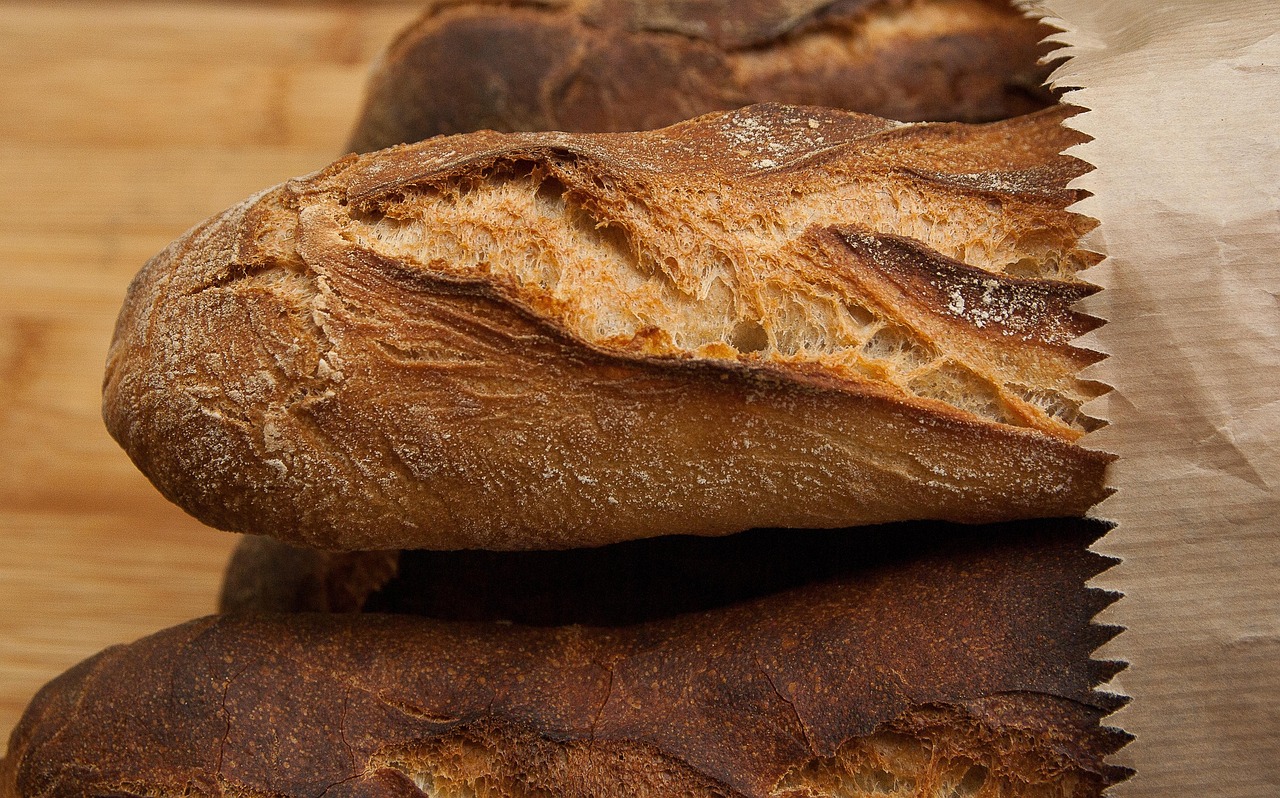
Everyone in Saltmere knew about the bakery on Wick Street. You went in, you bought a loaf, and on your way out the bread told you something. Not out loud — bread doesn't talk out loud — but in the way it sat in your hands, warm and certain, like a thought you'd been trying to have for weeks. You'd walk home and suddenly know you should write to your brother. Or quit the job at the cannery. Or forgive your mother.
The baker, a woman named Osla, had never heard a single word.
She baked the way her mother had baked, and her grandmother before that, in the same stone oven with the same chipped peel. She kneaded at dawn. She shaped loaves without thinking. She sold them for a fair price and went to bed tired. Customers came in with strange expressions, sometimes crying, sometimes laughing, and Osla assumed they were just hungry or happy or sad in the ordinary ways people are.
She didn't know.
The Loaves That Knew
It started, as these things do, with a small thing. A fisherman named Cael bought a rye loaf and went home and, for no reason he could name, opened a letter he'd been avoiding for three months. It said his father had died. The letter was old. Cael sat down and wept, and then he went to the bakery the next morning and bought another loaf, and this one told him to go see his mother.
He went. He hadn't seen her in two years. She made him soup. They didn't talk about the letter. It was enough.
Word spread. The bakery got busy. Osla hired a girl to help with the counter and another to help with the ovens. She baked more. She slept less. She never asked why people came in with red eyes and left with their shoulders lower, their faces softer.
"You make good bread," they told her.
"It's just bread," she said.
The Baker Who Couldn't Hear
One winter, a woman came in from the north, a stranger with a hard face and a purse full of coins. She bought a sourdough and stood at the counter, waiting, as if the bread might say something to her specifically. It didn't. Or it did, and she didn't like it. She put the loaf down and left without it.
Osla picked it up, confused. She wrapped it and set it on the shelf for the next customer. But the next customer didn't come. The shop was empty. The snow fell. Osla stood alone with the sourdough in her hands, and for the first time in her life, she felt something move through the crust, faint and warm, like a voice heard through a wall.
You already know what you need, it said. You just won't say it.
Osla sat down on the floor of her bakery and thought about that. She thought about the years she'd spent baking for other people's answers. She thought about her mother, who had also never heard the bread, who had died with her hands still dusted in flour. She thought about what she needed, and she found she did know, and she had known for a long time.
She needed to stop. Or she needed to start. Either way, she needed to say it out loud.
She said it. The bread went quiet. The snow kept falling. And in the morning, she opened the shop as usual, because someone had to feed the town, and because the bread, whether she could hear it or not, was still good.