The Lantern Keeper of Hollow Hill
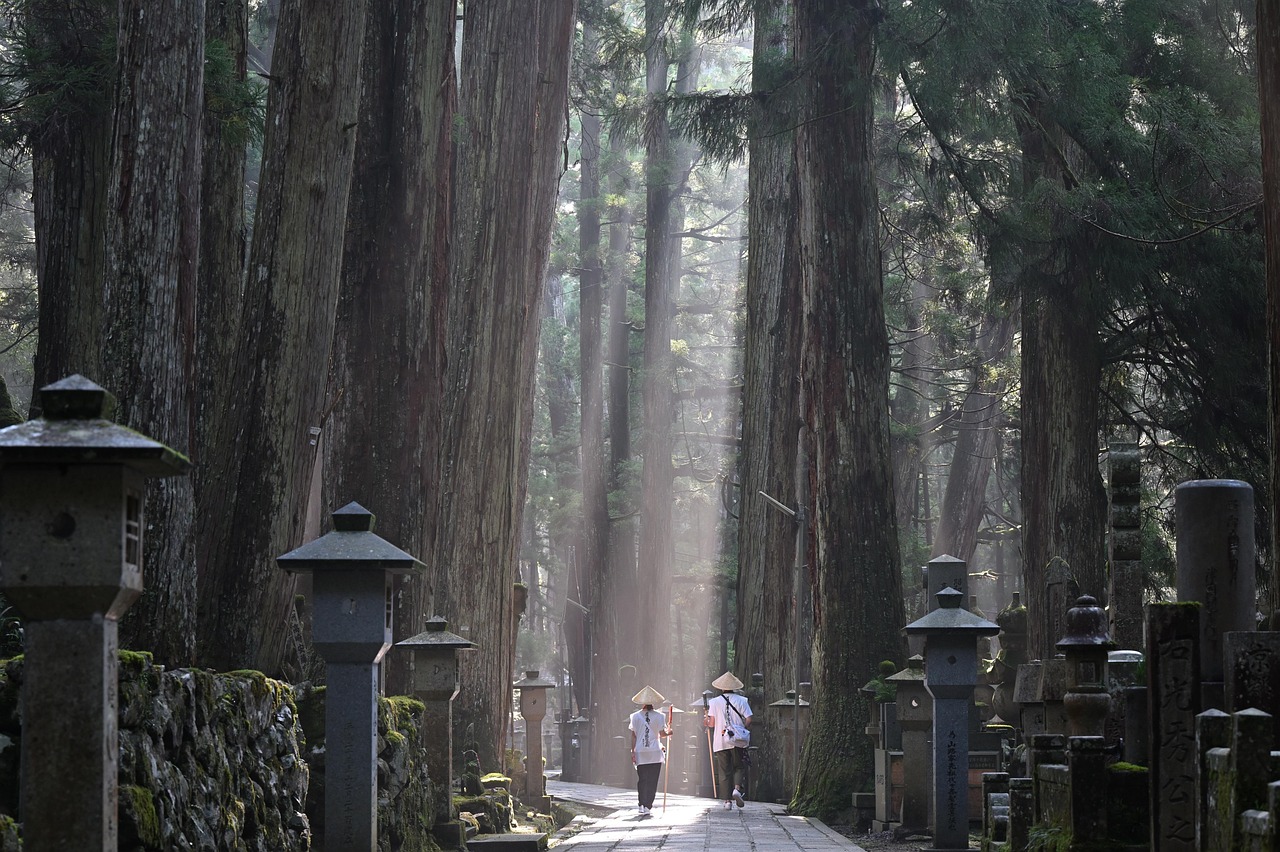
The hill above the village was called Hollow, though no one remembered why. It was round and green and had a single crooked path up its side, and at the top sat a stone hut with one window and one door. In the window, every night, a lantern burned. The villagers didn't know who kept it lit. They didn't ask. Some things are better left alone, and a light on a hill is a comfort, not a question.
Isobel had kept the lantern for eleven years. She had inherited the job from a man named Tomas, who had inherited it from a woman whose name she never learned. The rules were simple. Light the lantern at dusk. Keep it burning until dawn. Do not leave the hill after dark. Do not, under any circumstances, follow a voice that calls from the fog.
She had never broken a rule. She had also never had a visitor after sunset, until the night a young man knocked on her door.
The Traveler in the Fog
He was soaked through, shivering, and his eyes were wrong — too pale, almost silver, like coins left in water. He said his name was Wren. He said he had lost the road. He asked if he could sit by her fire until the fog lifted.
Isobel should have said no. The rules were clear. But he was cold and shaking and young, and she had been alone on this hill for eleven years, and she was tired of her own silence.
She let him in.
He sat by the hearth and warmed his hands, and they talked. He asked about the lantern. She told him what she knew, which wasn't much. He asked why she stayed. She told him about Tomas, who had found her on the road when she was fifteen and hungry, and had brought her here, and had taught her to trim a wick and bank a fire and keep her word. He had died three winters later, and she had stayed, because someone had to.
"And no one has ever come to relieve you?" Wren asked.
"No one knows to," she said.
He was quiet for a while. Then he said, "I know."
What the Light Is For
Isobel looked at him. The firelight caught his face, and she saw that he was not young, not really. He was old — older than Tomas, older than the hill, maybe older than the village. The silver in his eyes was not cold. It was patient.
"The fog takes people," he said. "You know that. You've seen the ones who never come down. The lantern is a rope. As long as it burns, they can find their way back. But a rope needs a hand on both ends. You've been one hand. I've been the other. For eleven years."
Isobel didn't understand. Then she did. The lantern had never been hers. She had been the lantern's. And Wren — whatever Wren was — had been the light.
"You're leaving," she said.
"I'm being relieved," he said. "It's your turn to go down. Someone will come up tomorrow. You'll never meet them. That's how it works."
She wanted to argue. She wanted to say she had kept her word, that she had earned the right to stay. But she thought of the village below, of the warm kitchens and the loud market and the faces she had not seen in eleven years, and she found she wanted to go.
In the morning, the fog was gone. Wren was gone. The lantern was still burning, and Isobel walked down the crooked path with the sun on her back, and did not look behind her.
She never went back up. But every night, from her window in the village, she watched the light on Hollow Hill, and she knew someone was holding the other end of the rope.