The Miller's Daughter and the River That Asked Questions
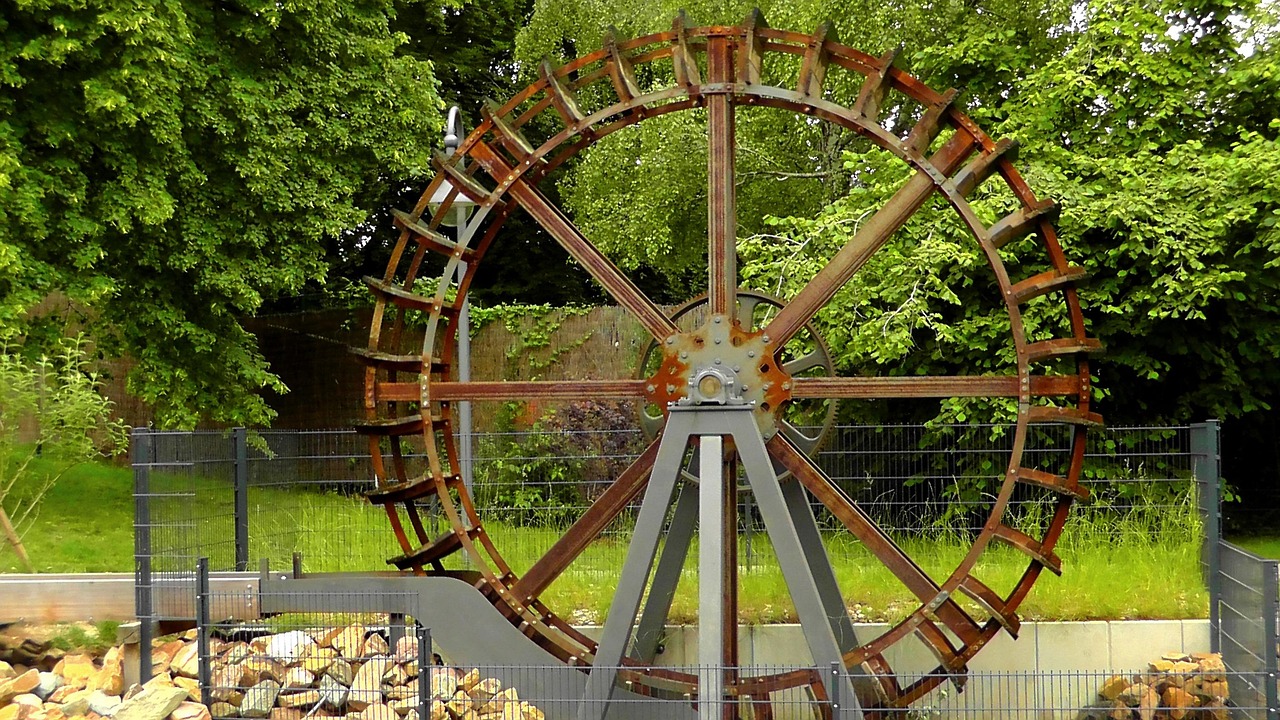
The river below the mill had always talked. Everyone in the village knew it, the way they knew the church bell was cracked and the baker's cat had six toes. They just didn't listen. Rivers say all sorts of things — gossip, warnings, the occasional rude remark about your hat. Most people learn early to let it run past them like water.
Perrin had never learned that. Her father's mill was failing. The wheel turned slower each season, and the grain came in thin, and the men who owed them money stopped meeting her eyes. So when the river asked her, one grey morning, what she would give to see the mill run again, she answered honestly.
"Anything," she said.
The river laughed. It sounded like stones shifting under a bridge. "Anything is a big word for a small girl."
The Bargain
Rivers, it turned out, are collectors. They take what people drop — coins, secrets, the occasional shoe — and they keep them. What this river wanted was a story. One story, told true, every year on the first day of spring, standing in the shallows with her feet bare and her voice steady. In exchange, the mill would turn. The grain would come. The debts would ease.
Perrin agreed. She was seventeen and her father was coughing blood into his handkerchief, and a story seemed a small price.
The first year, she told the river about her mother, who had left when Perrin was six and never written. The river listened. The mill turned. The grain came in golden and heavy.
The second year, she told it about the winter her father sold her grandmother's ring to buy seed, and how she had cried in the barn where no one could see. The river listened. The mill turned.
The third year, she didn't know what to tell. She had run out of sorrows. She stood in the shallows with her feet bare and her mouth open, and nothing came.
"Tell me something true," the river said, "that you have never told anyone."
What the Water Knows
Perrin thought about the things she kept. The way she resented her father for getting sick. The way she was glad, sometimes, that her mother had left, because it meant she had never had to watch her mother grow tired of her. The way she had once, at twelve, pushed a boy into this very river for calling her father a drunk, and had watched him struggle before pulling him out, and had never told anyone, not even herself, not really.
She told the river all of it. Her voice shook. The water didn't laugh.
"That," the river said, "is a story worth keeping."
The mill turned. The grain came. But something else happened too. Perrin walked home lighter, as if she had set down a sack she'd been carrying so long she'd forgotten it was there.
She kept her bargain. Every spring, she stood in the shallows and told the river one true thing. Some years the stories were small. Some years they were sharp. The river kept them all, patient and cold and kind in its way, and the mill kept turning, and Perrin kept growing, until one spring she realized she had become the kind of woman who could tell a river anything and mean it.
The village still didn't listen to the water. But Perrin did. And when her own daughter grew old enough to ask why the mill never stopped, Perrin took her down to the shallows, and said, "Because I pay what I owe."