The Ferryman Who Collected Unfinished Songs
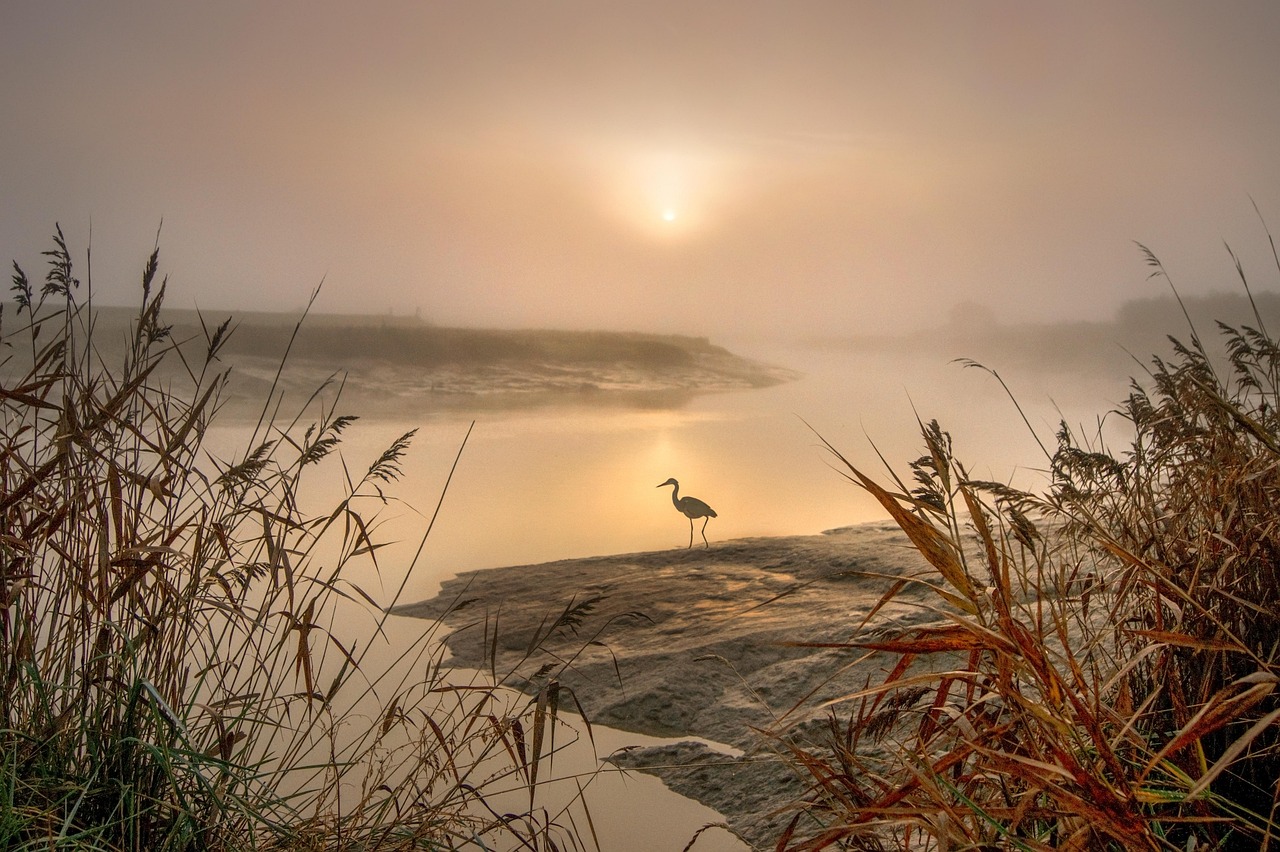
The river between Alderwick and the Low Country was not wide, but it was old, and old rivers have a way of remembering everyone who crosses them. The ferryman had no name that anyone could recall, only a flat-bottomed boat, a long pole worn smooth by decades of hands, and a small tin box in which he kept what he called his tolls.
He did not take coin. He took songs.
Not finished songs, mind you. He had no use for those — they belonged to the world, and the world had a way of holding on to them. What the ferryman collected were the songs people had started and never ended. The lullaby a mother hummed half-remembered. The marching tune a soldier forgot the second verse of. The love song a young man abandoned because the person he wrote it for married someone else.
These he kept in the tin box, and on quiet evenings he would open it and let them drift out over the water, a little ragged and unfinished, like moths with torn wings.
Nell was a fiddler, and she had a song like that. She had begun it the winter her brother went missing and had never been able to finish it, because every time she tried, the notes turned into the sound of a door closing. She carried it with her the way you carry a stone in your shoe — always aware of it, never quite able to shake it loose.
The Price of Passage
When Nell came to the river, she had nothing to pay with but her fiddle and the clothes on her back. The ferryman looked at her for a long moment.
"You've got a song in you that's unfinished," he said. "I can hear it from here. It's the loudest thing about you."
Nell's hand went to her chest, as if she could cover it. "It's not for sale."
"I don't buy," the ferryman said. "I keep. There's a difference. I'll hold it safe as long as you need, and when you're ready to finish it, you come back and play it for me, and I'll give you back the rest."
Nell did not want to. But the river was cold and the far bank was where her brother had last been seen, and she had no other coin. So she closed her eyes and let the song go — all of it, the half-finished melody and the ache underneath it — and felt something in her chest go quiet for the first time in a year.
The ferryman opened the tin box. The song went in, and the box clicked shut, and the boat slid out onto the water.
What the River Gave Back
The Low Country was grey and strange, and Nell searched it for three months without finding her brother. She played in taverns for bread and slept in barns, and she noticed that her fiddle sounded different — thinner, somehow, as if a string had gone slack. She had given away the heart of her music and had not known it was the heart.
When she came back to the river, she was not the same person who had left. She had learned that some searches end without finding, and that grief is not a problem to be solved but a river to be crossed. She stood on the bank and played the song — not the unfinished version, but the one she had written in the Low Country, the one that had a middle and an end and a place for her brother's name.
The ferryman listened. Then he opened the tin box, and the old song drifted out and wove itself into the new one, and Nell understood that she had not lost anything. She had only lent it, and it had come back changed, the way all things do when they cross a river.
"You can keep it now," the ferryman said. "It's finished."
Nell crossed back to Alderwick with her fiddle on her back and a song in her chest that was entirely her own.