The Cottage That Grew a New Room Whenever Someone Needed to Stay
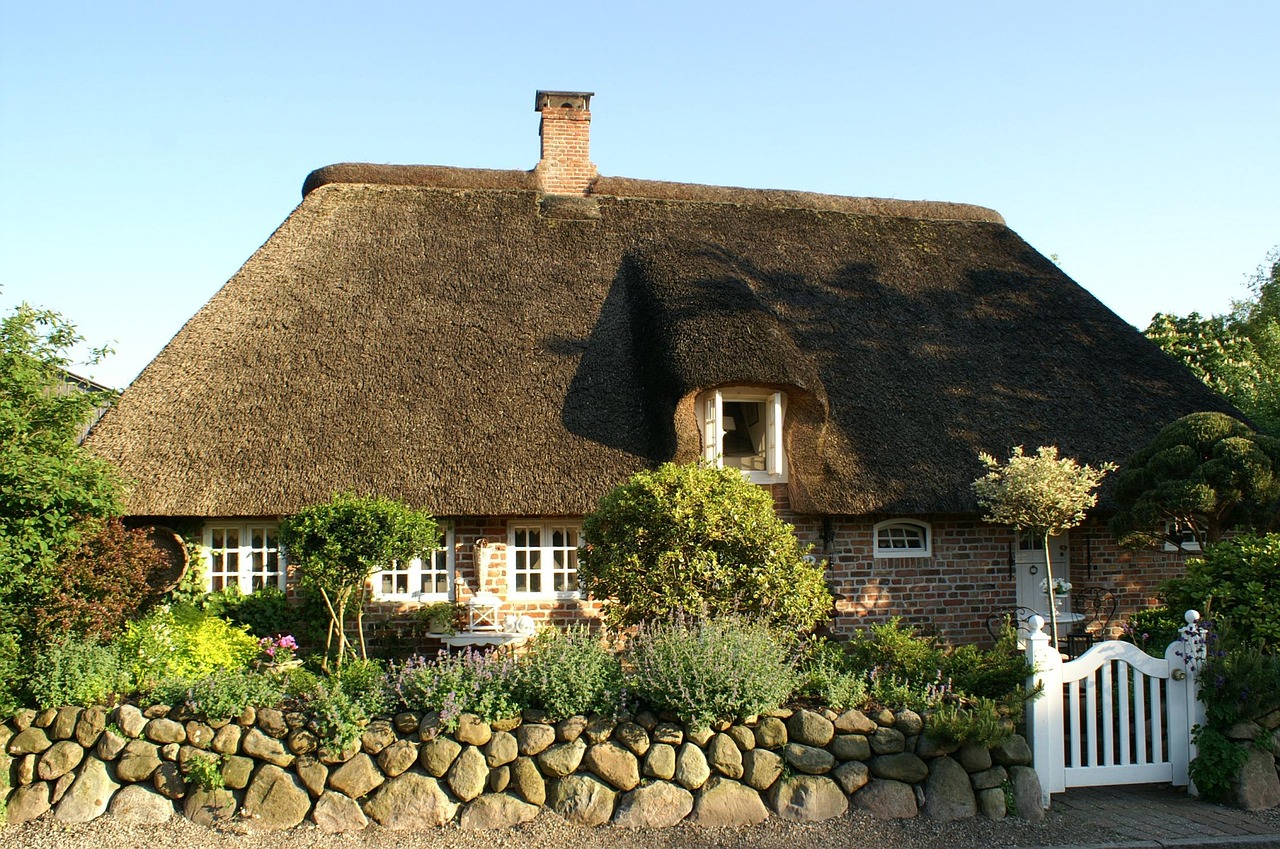
The cottage had been in Aunt Mirren's family for nine generations, which was strange, because no one could agree on how many rooms it actually had. When Wren arrived with her satchel and her grandmother's trowel, she found a low stone house with a green door, a chimney that smoked even when no fire burned, and a single window that looked out onto a garden gone feral with lavender and thyme.
Inside there was one room. A bed, a hearth, a table, a chair. Wren unpacked her few things and thought, well, this will do. She slept deeply, and woke to the smell of bread she had not baked.
The cottage, she soon discovered, had opinions. When a soaked peddler knocked during a spring storm, Wren opened the door and found behind her a second room she had never seen, with a narrow bed already turned down and a candle lit on the sill. The peddler stayed three nights. When she left, the room folded itself away like a page in a closed book.
"Oh," said Wren, understanding at last. "You only make room for people who need one."
The Rules of an Unruly House
Wren tried to keep count. She failed. The cottage did not respond to measurement or map-making; it responded to need. A lost child who had wandered from the village fair received a small room with a window low enough to see the stars. A young man fleeing a quarrel with his father was given a room with two doors, so he could leave whenever he wished. An old woman who arrived saying she only wanted tea stayed a week, and her room, Wren noticed, had a chair placed exactly where the afternoon sun fell.
Each guest left something behind. Not payment, exactly — the cottage refused coin. The peddler left a spool of red thread. The child left a painted stone. The old woman left a recipe for barley soup written on the back of an envelope, and the soup, when Wren made it, tasted like being forgiven for something she hadn't done.
Wren began to understand that the cottage was not generous in the way of giving things away. It was generous in the way of paying attention. It listened to what a person could not say aloud and built them a shelter out of it.
What Wren Learned to Build
By the time the first frost came, Wren had stopped being surprised. She kept the hearth lit and the kettle warm, and she learned to read the house's small signals — the way the floorboards creaked toward the east when someone was coming up the lane, the way the lavender by the door leaned inward when rain was close.
She also learned that she, too, could make room. Not with walls, but with the way she set an extra bowl on the table without being asked, or left the gate unlatched, or kept a blanket folded by the door for whoever might arrive shivering. The cottage's magic, she realized, was not so different from her own. It was only more honest about it.
One evening in late autumn, a young woman arrived with a pack on her back and a look Wren recognized — the look of someone who had nowhere in particular to be. Wren opened the door. Behind her, she heard the soft sound of a wall unfurling, the creak of a new window finding its frame.
"Come in," Wren said. "There's soup, and there's a room. It's been waiting for you."
The cottage, she liked to think, smiled. It was hard to tell with houses. But the kettle sang, and the fire brightened, and somewhere in the walls a new room settled into place, patient as a held breath.