The Orchard That Only Bore Fruit for the Honest
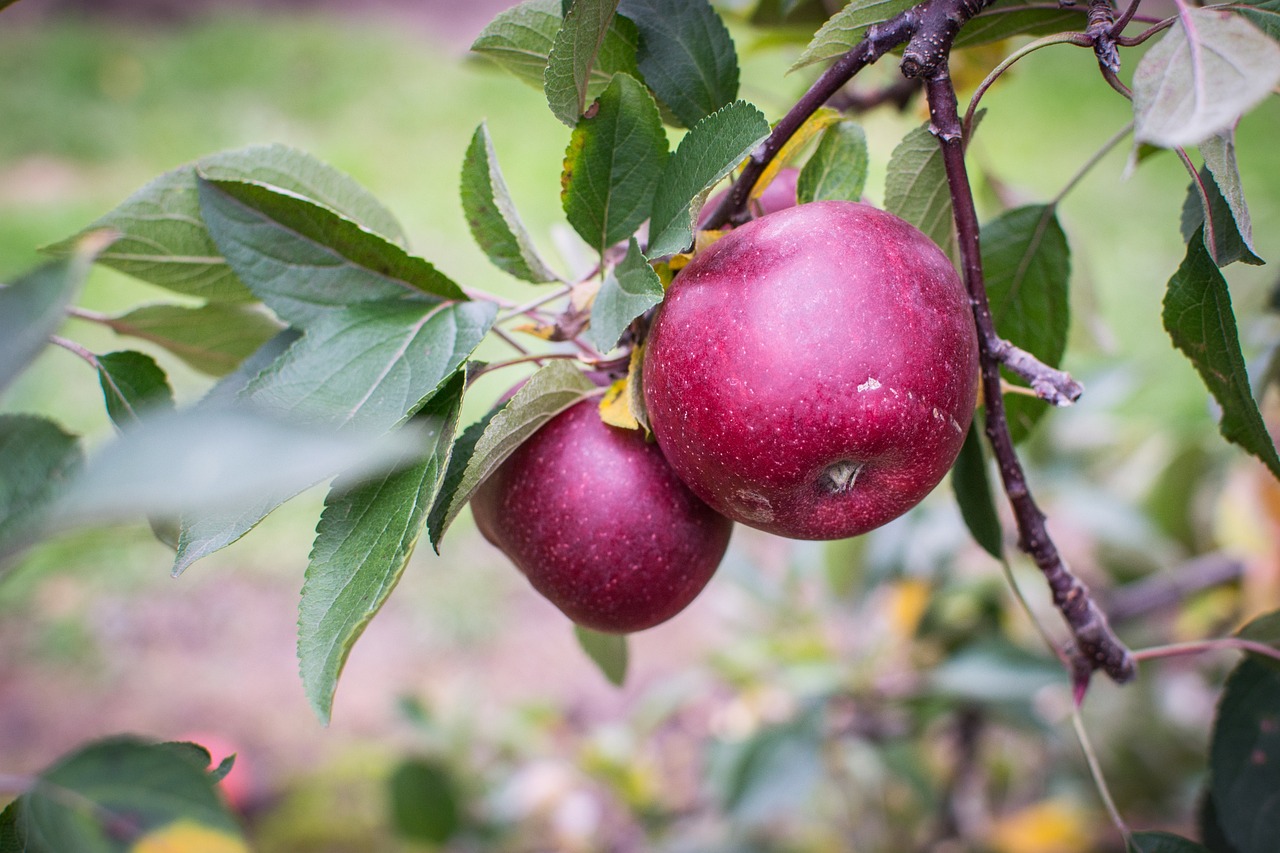
When Ansel died, he left his wife Maren three things: a stone cottage, a dog named Pell, and an orchard of forty-two trees. Forty-one of them were ordinary. They bore apples in autumn, as apples do, and Maren sold them at market and got by. The forty-second tree was different, and Ansel had never explained why.
It stood at the far corner of the orchard, past the well, where the fence met the woods. It was smaller than the others, knotted and crooked, and it had never once produced a single apple in the thirty years Ansel had tended it. He watered it. He pruned it. He talked to it, Maren had seen him, standing there in the dusk with his hands in his pockets, saying nothing she could hear.
She had asked him once what kind of tree it was.
"An honest one," he'd said, and would not say more.
The Year It Bloomed
The spring after Ansel died, the forty-second tree bloomed. Not the way apple trees bloom — a froth of pink and white, brief and pretty — but slowly, over weeks, with flowers the color of old parchment and a scent like rain on stone. Maren stood under it and felt, for the first time since the funeral, that something was about to happen.
The fruit came in summer, early and strange. It was gold, not red, and it hung heavy on the branches, and it did not fall. Maren picked one and held it. It was warm, as if it had been in the sun, though the tree was in shade.
She took it to the village. She gave it to the baker, who had been kind to her. The baker bit into it and went very still, and then she began to cry, and then she confessed — to Maren, to the room, to no one in particular — that she had been skimming from the till for years, and that she was sorry, and that she would stop.
Maren didn't understand. Then she did.
What the Fruit Found
Word spread. The tree that made you tell the truth. People came from the next village, from the town beyond that, to stand under its branches and take a fruit and speak. Some of them wept. Some of them laughed. Some of them walked away and would not eat, which told Maren everything she needed to know about them.
She did not sell the fruit. She did not charge admission. She let people come, and she let them go, and she sat on her porch with Pell and watched the orchard fill and empty, fill and empty, all summer long.
She ate one herself, in August, under the tree, alone. It tasted like nothing she could name — like her own name, maybe, or like the sound of Ansel's voice saying it. She thought about the things she had kept from him. Small things. A letter she had never sent. A word she had said to her sister that she had never taken back. She said them out loud, to the tree, to the air, to no one.
The tree did not answer. It didn't need to. It had done its work.
In autumn, the fruit stopped. The leaves fell. The tree went back to being small and crooked and quiet, and Maren knew, without being told, that it would not bloom again for a long time. It had given what it had to give.
She kept the orchard. She kept the cottage. She kept Pell. And every evening, she walked to the far corner, past the well, where the fence met the woods, and stood under the bare branches with her hands in her pockets, saying nothing anyone could hear.